Two names, one house, and a fair question
New owners ring us with the same puzzle almost every week. The listing said "fireplace", the home inspector wrote "chimney", and the company websites offer both kinds of inspection. Are they the same thing? Not quite. They overlap in the middle and part ways at either end, and knowing where the line falls saves you from paying for the wrong visit. Here is how Thistle Chimney Company draws that line for houses in Cypress and the towns around it.
Picture the whole thing as one tall shape
Stand in your living room and imagine the fireplace and chimney as a single object. At the bottom is everything you can touch from the rug. At the top is everything only a ladder reaches. In between is a long, dark passage nobody sees without a camera.
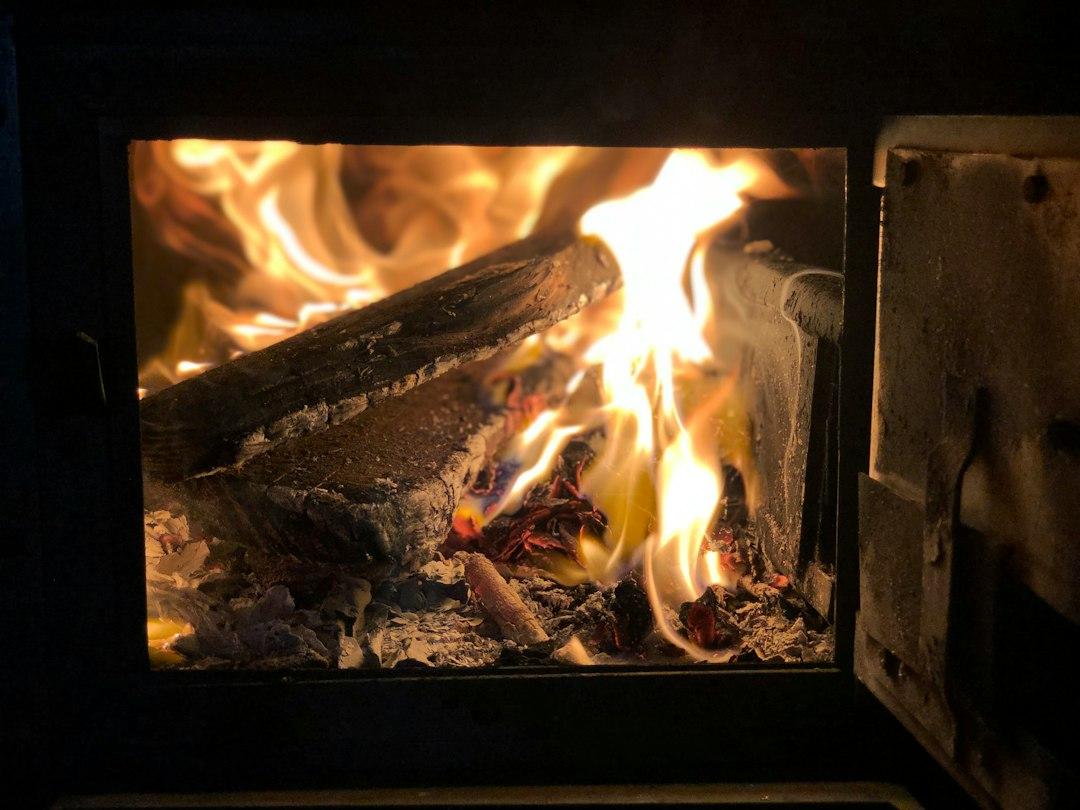
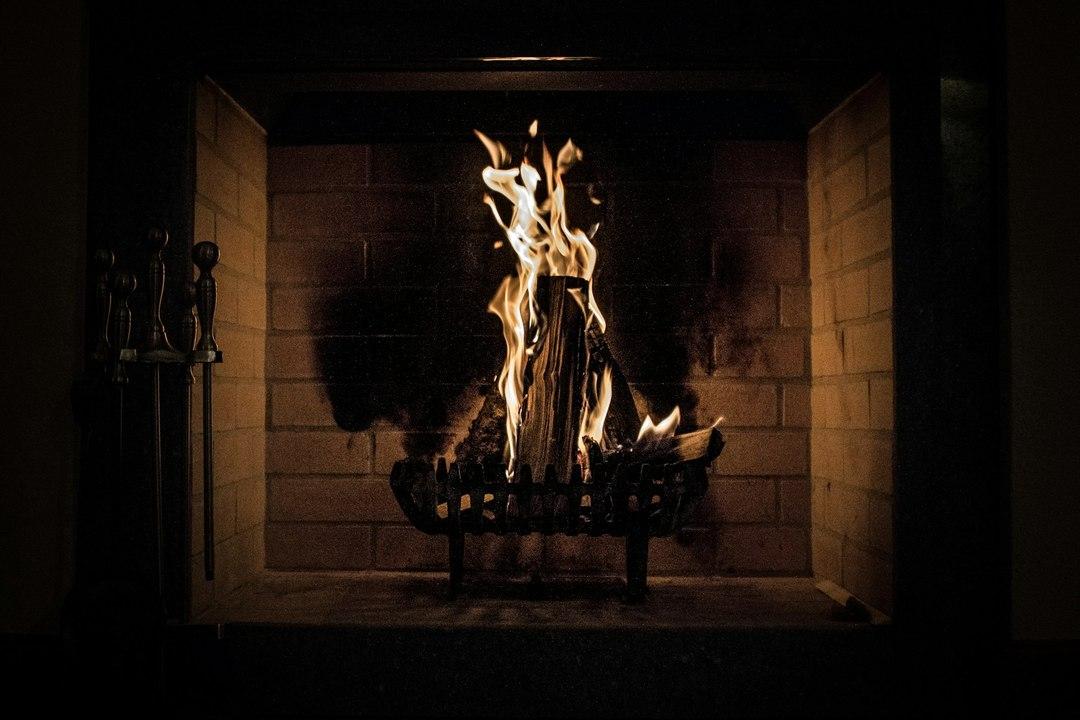
The room end is the hearth (the fireproof floor in front of the opening), the firebox, any glass doors or mesh screen, the mantel and the wall around it. On a gas fireplace it also includes the burner, the pilot (the small flame that lights the main burner), the gas valve and the controls.
The middle is the damper, the smoke chamber above it, and the flue running up through the house.
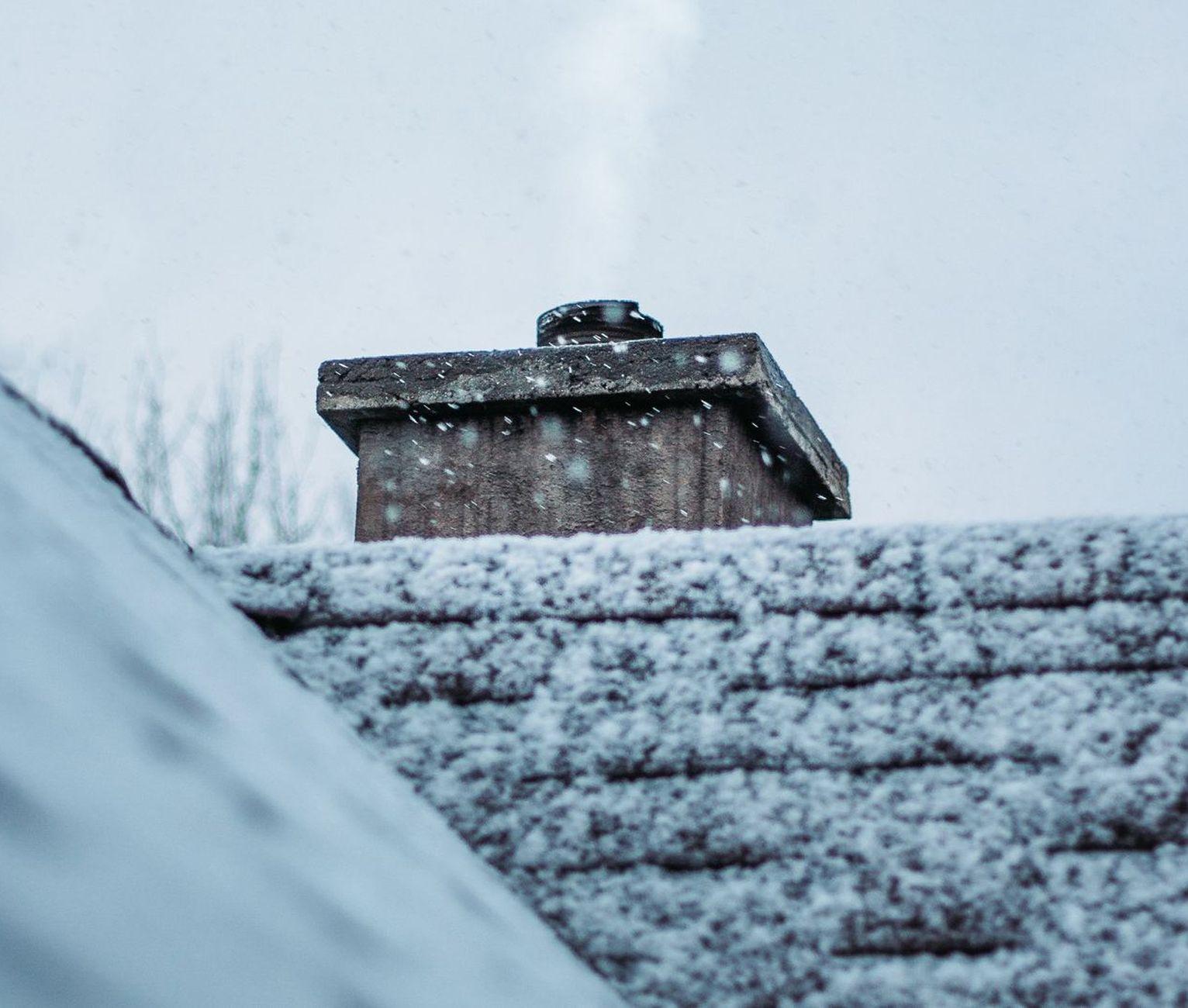
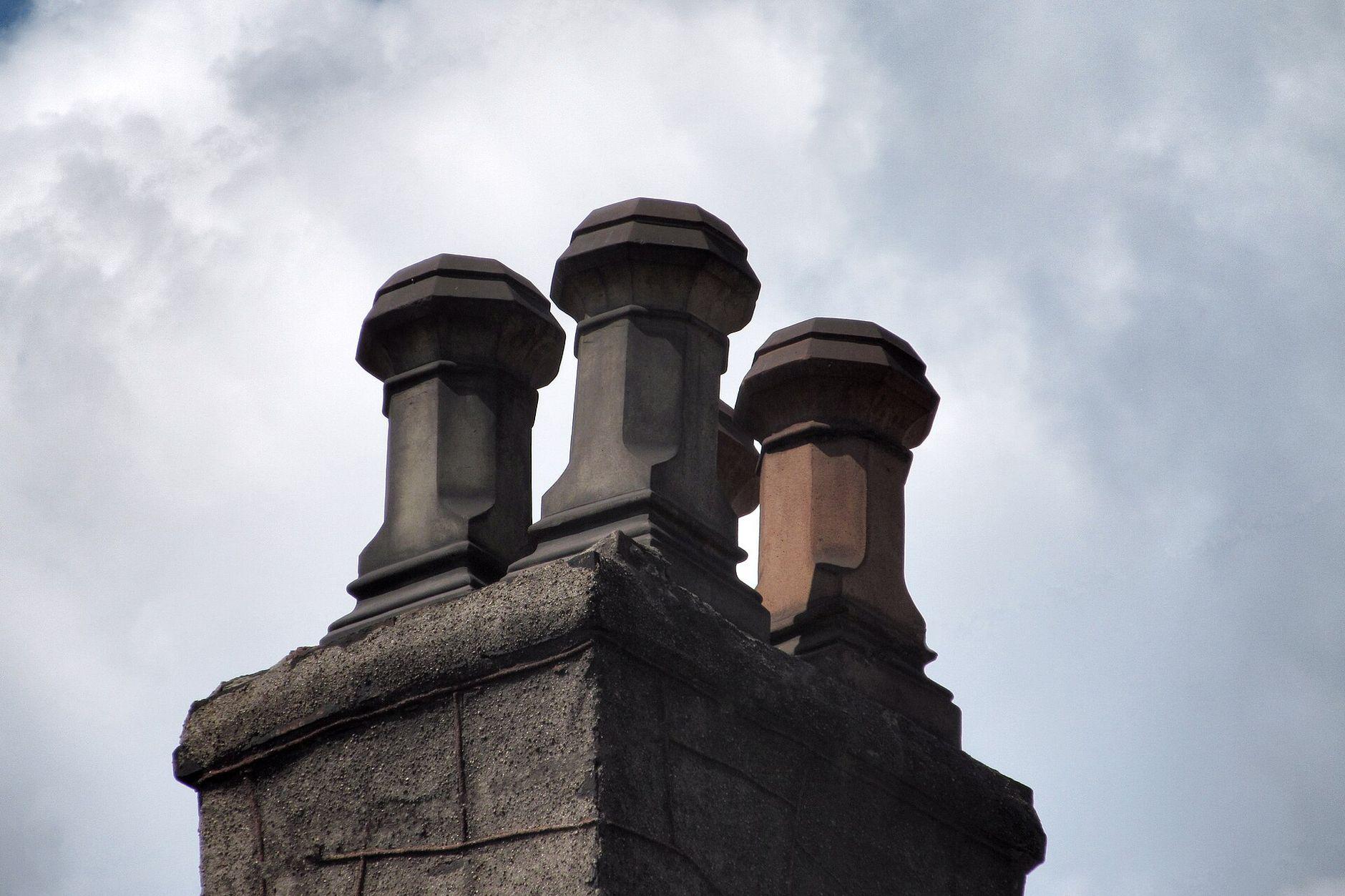
The top end is the part above the roofline: the brick or siding of the stack, the crown or metal top, the cap and the flashing where roof meets chimney.
What our fireplace inspection covers
A fireplace inspection is centred on the room end. We look at the firebox walls for cracks and gaps in the mortar, the hearth for cracks an ember could slip through, the doors and their seals, and the distance between the opening and anything that can burn, such as a wooden mantel. On gas units we run the fireplace, watch how it lights, look at the flame and check the gas fittings we can reach. We open and close the damper and shine a light as far up as we can.
This visit suits owners whose main questions are about the fireplace as a piece of furniture they use: is it safe to light, does the gas side behave, is the surround in good shape. It also suits gas-only fireplaces whose venting is short and visible.
What our chimney inspection covers
A chimney inspection treats the fireplace as the start of a longer system and keeps going. It is offered at two depths:
- Level 1, $160: the parts that can be reached and seen without opening anything, from the firebox to the top of the stack, including time on the roof.
- Level 2, $380: everything in a Level 1, plus a camera fed up the full height of the flue with the footage recorded, and a look at the chimney where it passes through the attic.
The roof time matters. Most chimney water damage starts at the top, and water does more harm to a chimney over the years than fire does.
Side by side
- Mainly about: fireplace inspection, the room and the appliance; chimney inspection, the passage and the top.
- Gas burner and pilot: fireplace inspection runs and watches them; a chimney inspection notes them but does not dwell there.
- Roof: fireplace inspection, no; chimney inspection, yes.
- Inside the flue: fireplace inspection, as far as a flashlight reaches; Level 2 chimney inspection, the whole height on video.
- Price: chimney inspection $160 or $380; a fireplace-only visit has no fixed figure on our list and is priced on the phone once we know the unit.
Which one a new owner should start with
This is the section that decides your booking.
- Wood-burning fireplace, no service history: start with the chimney side. If you have no idea when it was last used or brushed, a Level 2 answers the most questions in one trip.
- Gas fireplace with a short metal vent: the fireplace inspection usually covers what matters, and we add a roof check if the vent cap looks damaged from the yard.
- Gas logs in an old brick fireplace: both ends count. The logs are a room question; the brick flue they vent into is a chimney question. A Level 1 is often the right start.
- A home inspector's report that mentions the chimney: book whichever the note points at, and send us its wording so we read it the same way you do.
If you cannot tell which kind you have, ask through the quote form. Describe what sits in the opening, whether there is a switch or a key on the wall nearby, and what is visible on the roof above it. We reply with the visit we would book and its price.
What both visits share
Either way, you get a written report with photos, in words a first-time owner can follow. Each finding comes with where it is and how much it matters: safe to use, worth watching, or fix before the next fire. Nothing is repaired on the day without your say. If a repair is needed, you get a written price you can take away and compare.
A word on gas fireplaces in particular
Plenty of Cypress living rooms burn gas, either ceramic logs over a burner or a sealed glass-front unit, and never see a wood fire. Owners sometimes assume gas means no maintenance. A gas fireplace burns cleaner than wood, but the burner still collects dust and lint, pilots get weak, and the vent can be blocked by a bird or a wasp nest. We cover the room side of gas units on our gas fireplace cleaning page, and the chimney side on the chimney inspection page.
If you are still weighing up costs, our price guide for a first sweep lays out every figure in one place.
Still not sure?
That is a perfectly normal place to be. Write to us from the contact page with what you have, and we will point you to the one visit that answers your question.
Reading Is One Thing; Seeing Yours Is Another
A first visit from Thistle Chimney Company puts names to the parts of your own fireplace and shows you their condition in photos. We book across Cypress, Westminster, Norwalk, Long Beach and the cities nearby.