You do not know the words yet, and that is fine
The first time you own a fireplace, choosing someone to look after it can feel like a guess. You have not learned the vocabulary, so a careful company and a hurried one sound much the same. The good news is that most of what separates them comes out in a single phone call, before anyone sets foot in your Cypress living room. This guide covers what to listen for, what a proper visit includes, and what you should be holding when it is over.
Five things a careful company tells you without being pushed
- A price, or exactly how the price is set. You should hear a figure for the sweep and for each inspection level before anything is booked. A company that will only "see when we get there" for a basic brushing is leaving room for the bill to grow.
- What kind of fireplace they think you have. Ask them to say back what you told them: wood or gas, masonry or factory-built, one flue or two. Masonry means brick or block built on site. Factory-built means a metal firebox and metal pipe that arrived as a matched kit. If the person on the phone cannot follow that, the person on the roof may not either.
- Whether they go up top. A chimney is checked from both ends. Someone who stays in the living room has seen half of it.
- What happens if they find a problem. The answer you want: they stop, show you, and write it up with a price you can take away. The answer to be wary of: they fix it on the spot and add it to the invoice.
- What arrives afterwards. A written report with photos, not a cheerful "all good" at the door.
What the visit itself should look like
For a sweep, expect covers laid from the front door to the hearth, the fireplace opening sealed so soot cannot drift into the room, and a vacuum running the whole time the brushes are working. The flue gets brushed from below, from above or both, depending on how the chimney is built. The smoke chamber, which is the sloped, funnel-shaped space above the damper where the wide firebox narrows into the slim flue, gets cleared as well, because loose soot and fallen mortar settle there.
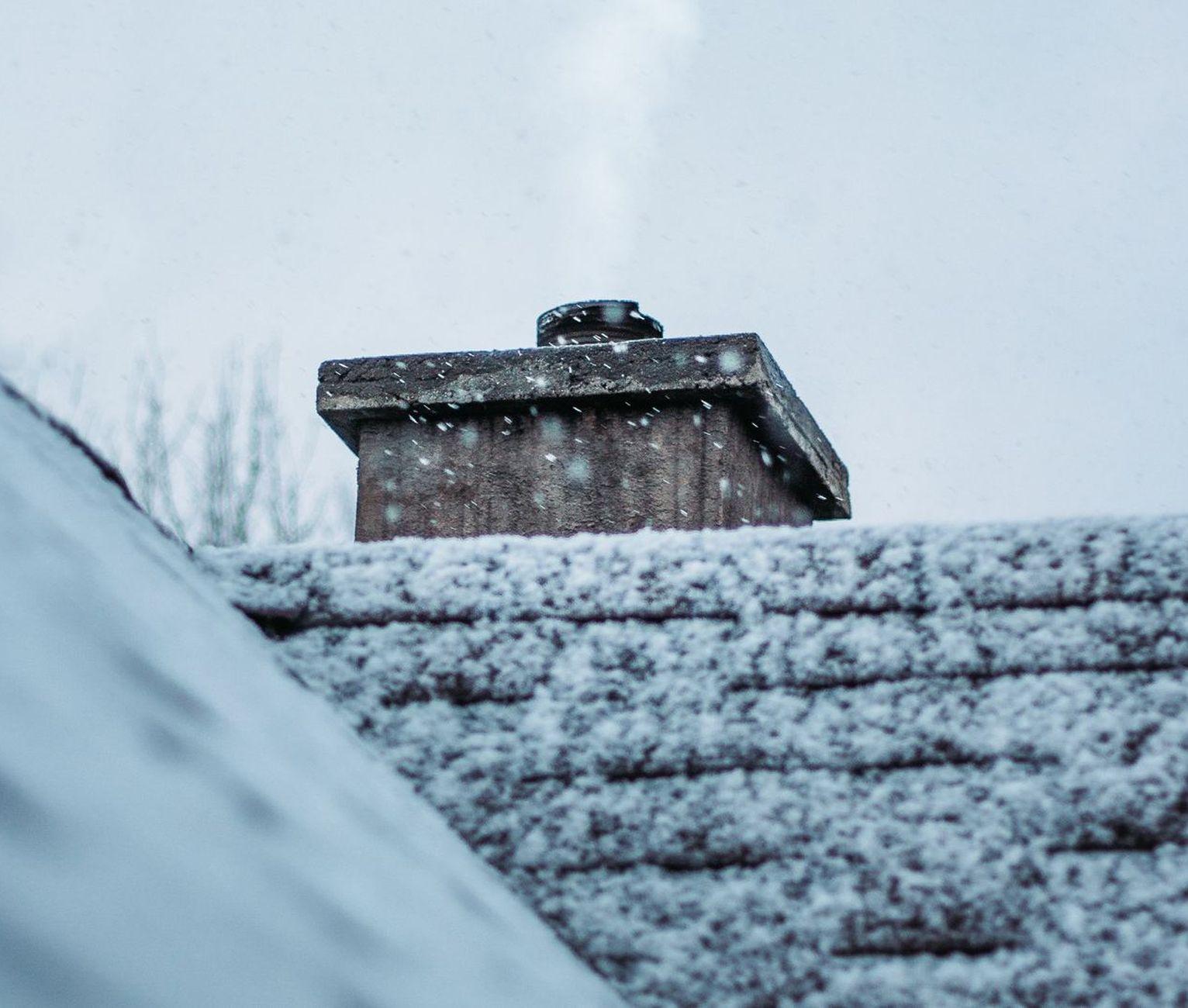
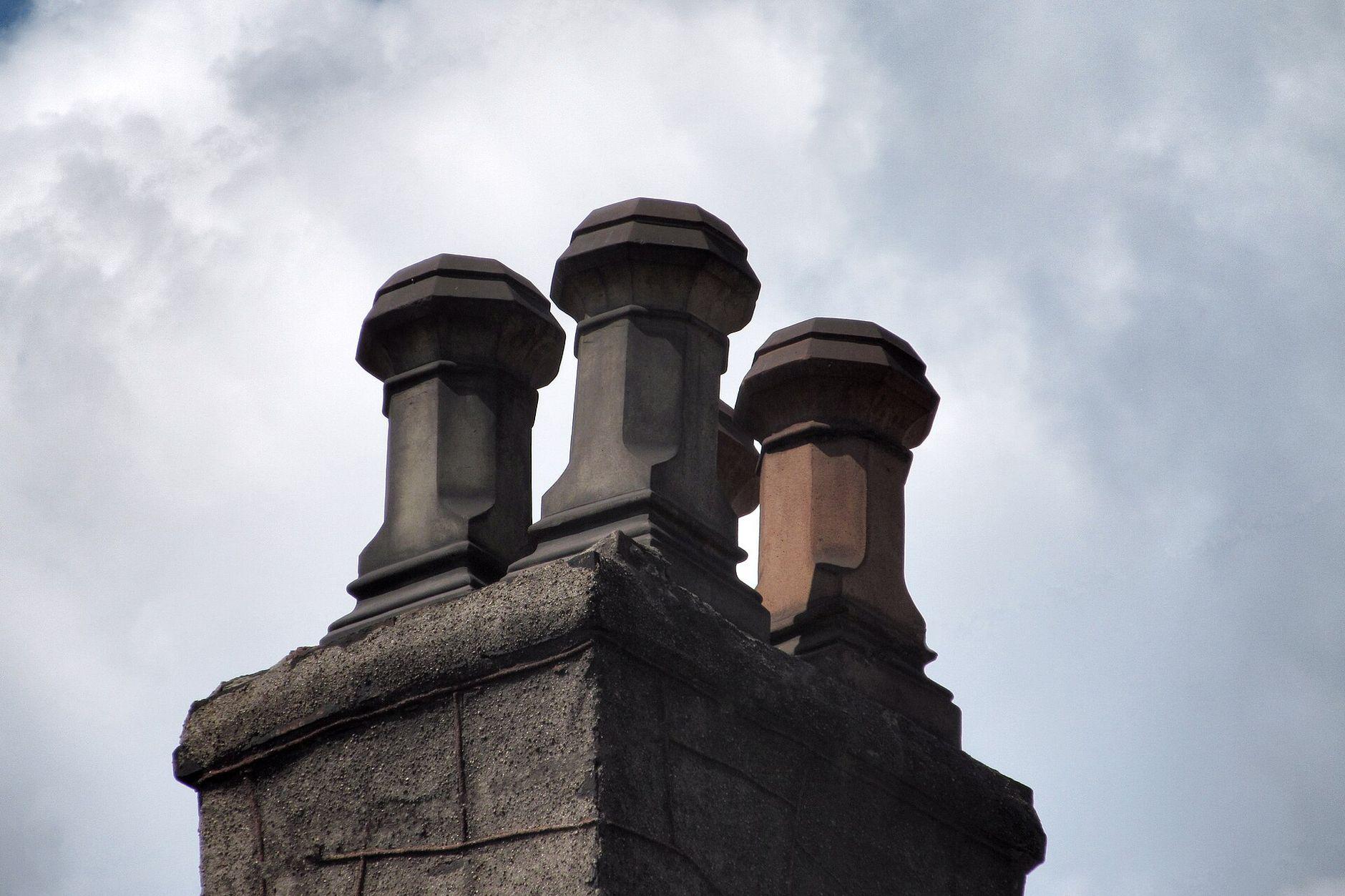
For an inspection, expect time on the roof. Three parts up there keep water out, and water ages a chimney faster than heat. The crown is the cement slab across the top of a brick chimney. The cap is the metal hood with a mesh skirt that sits over the flue opening. The flashing is the sheet metal folded into the joint where the chimney meets the shingles or tile. A good inspector names all three and tells you how each one looks.
Warning signs
- A price well below everyone else's, followed by a long repair list on the day.
- Pressure to sign for a repair before you have seen the written report.
- Badges and logos nobody can explain. Ask who issued it and what it means; an honest company answers in a sentence.
- No photos. If someone says the flue liner is cracked, you should see the crack.
- A report full of terms nobody defined. You paid for the visit, so you are owed an answer you understand.
How our price list lines up against another
Comparing quotes is easier when both companies describe the same job. Here is ours, set out so you can lay it beside someone else's:
- Brushing a single ordinary flue: from $405, more for each extra flue, a tall stack or heavy buildup
- Level 1, the parts that can be reached and seen: $160
- Level 2, the full flue on camera with the video kept on file: $380
Repairs have no fixed figure on our list, because two chimneys rarely need the same amount of work. For those, you receive a written price once someone has actually looked.
If you already hold a quote from another company and want a second opinion on the scope, send the details through the form. Tell us what was proposed and what kind of fireplace you have, and we will say plainly whether we would book the same visit.
Why the first inspection deserves your attention
A fireplace is one of the few parts of a house built to send fire through the walls on purpose. Plenty of Cypress houses went up in the 1960s and 1970s, which makes their chimneys half a century old or more. Clay flue tiles from those decades can crack from heat, from age and from the ground shaking that Southern California gets from time to time. A cracked tile lets heat reach the wood framing that runs alongside the chimney. You cannot see any of this from the hearth.
That is the reason we suggest a camera inspection the first time a new owner takes charge of a wood-burning chimney with no records. After that, a yearly sweep with a look at the visible parts is usually enough, unless something changes.
What to keep once the visit is over
Ask for the report as a file you can save, with the photos inside it. Put it with your deed and your roof paperwork. Next winter, when the sweep comes back, it can be compared against this year's notes, and any change stands out. If you ever sell, the next buyer's agent will be glad to see it.
The chimney sweep, chimney inspection and fireplace cleaning pages describe each visit in more detail, and our price guide for a first sweep shows when each one makes sense.
When you are ready to pick
Tell us about the fireplace that came with your house through our contact page. We will explain what we would do, what it costs, and why, in words you do not need a glossary for.
Reading Is One Thing; Seeing Yours Is Another
A first visit from Thistle Chimney Company puts names to the parts of your own fireplace and shows you their condition in photos. We book across Cypress, Westminster, Norwalk, Long Beach and the cities nearby.