The first rainy season tells you a lot
Southern California summers are long and dry, so a new owner can live in a house for months without learning where water gets in. Then the first real storm of winter arrives. A yellow-brown blotch appears on the ceiling beside the fireplace, or there is a puddle on the hearth, or the closet behind the chimney smells damp. It is alarming, and it is common. Here is what usually causes it, what the fixes are called, and what we charge for the ones on our price list, written for owners in Cypress and the rest of north Orange County.
Where water gets into a chimney
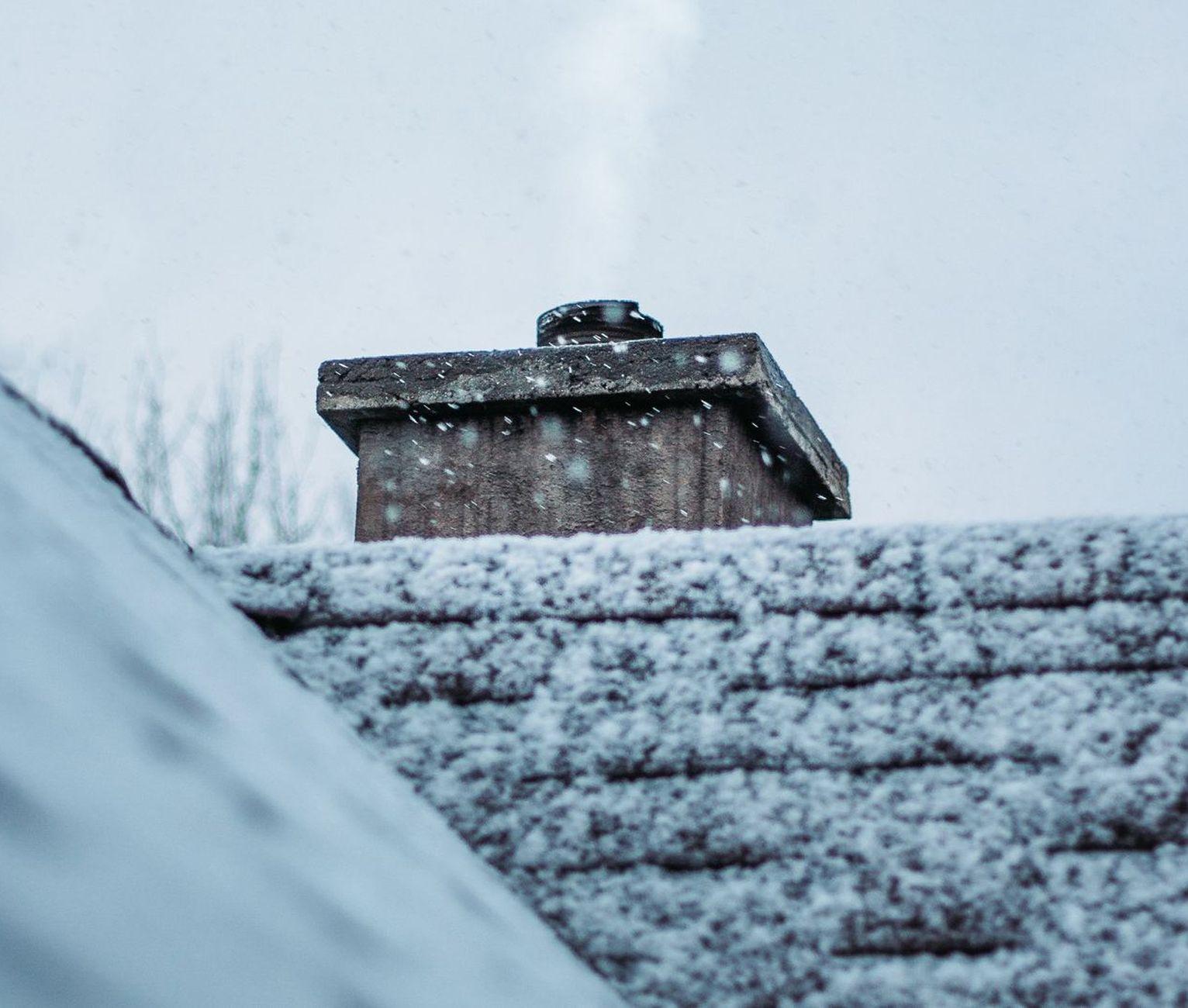
A chimney is a tall object poking up through a sloped roof, with a hole in the top. That gives rain several ways in.
- Straight down the flue. If nothing covers the top, rain falls into the flue and lands in the firebox or the smoke chamber. You may hear it dripping.
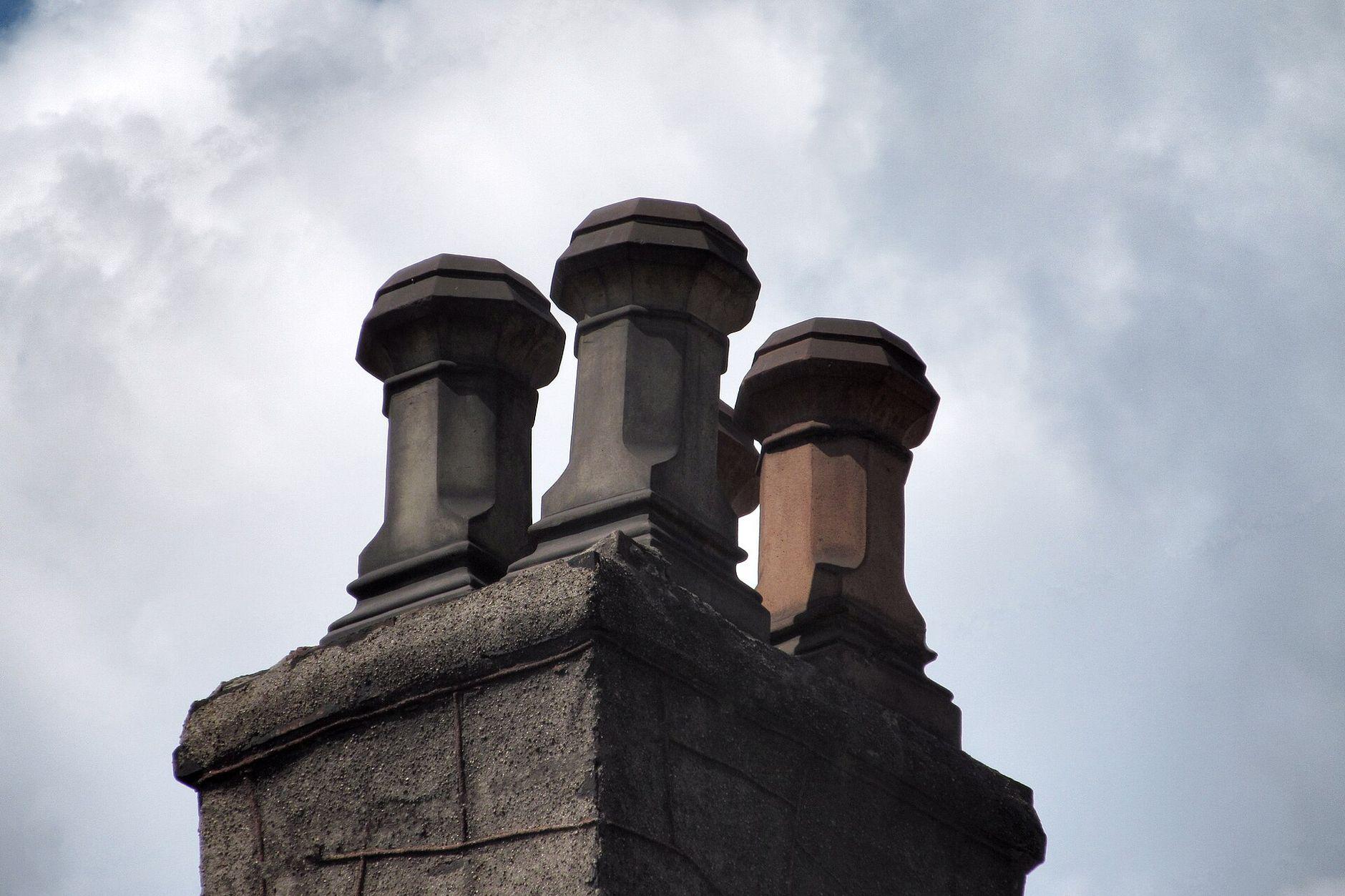
- Through the top slab. A brick chimney is finished with a crown, a cement slab poured across the top around the flue tile. When the crown cracks, water seeps into the brick under it.
- Where roof meets chimney. Flashing is the bent sheet metal that seals the joint between the roof and the chimney's sides. When it lifts, rusts or was never fitted well, water runs behind it and into the house framing.
- Behind a wide chimney. Rain running down the roof meets the uphill face of the chimney and has nowhere to go. A cricket is a small ridge built into the roof at that spot to turn the water aside before it can sit there.
- Through the brick itself. Brick and mortar soak up water like a hard sponge. Old, open mortar joints let in far more.
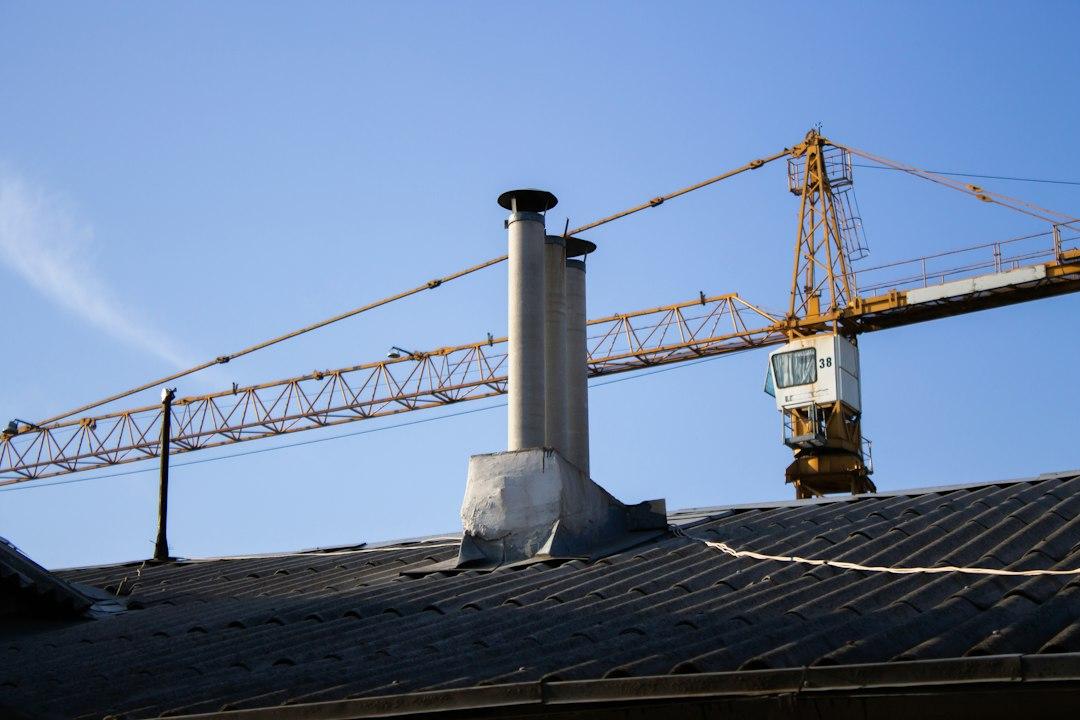
On a factory-built chimney, the box on the roof is wood framing with siding or stucco, topped by a metal cover called a chase cover. A rusted chase cover is a frequent leak on houses with metal fireplaces.
What a leak visit looks like
We start inside, at the stain or the drip, and then go to the roof. The aim is to find where water enters, not just where it appears, because water can travel along a rafter or the outside of the flue before it shows. We look at the cap, the crown, the flashing, the brick and the roof around the chimney, and photograph each one. Sometimes the source is obvious from the roof. Sometimes more than one part is letting water in at once, and the written price lists them separately so you can see what each costs.
Our prices for the usual fixes
Here are the leak-related jobs that carry a published figure on our list:
- Finding where the water enters and repairing that source: $540 to $3,250
- Framing a cricket into the roof on the high side of the chimney: $435 to $975
- Cricket framed in together with replacement flashing on every side: $650 to $1,600
The leak figure spans a wide range because a single loose flashing seam and a chimney with three separate entry points are very different jobs. A cap is quoted after we measure. A small round cap on one flue and a large custom cover over several flues are different jobs.
A few related jobs have no figure on our list: recasting a crown, sealing the brick with a repellent made for masonry, replacing a rusted chase cover, and replacing flashing by itself. Each gets its own written price once we have seen the chimney.
What decides your next step
The roof visit sorts most leaks into one of three groups:
- One clear source. A missing cap, a lifted flashing corner, a crack in the crown. One repair, one price.
- Several sources. Common on older brick chimneys. You get each repair priced separately, with a note on which matters most.
- The leak is a symptom. Sometimes water has been getting in for years and has damaged the flue tiles or the wood framing around the chimney. That needs a closer look, often a camera inspection at $380, before a repair price makes sense.
To get started, ask for a leak visit through the quote form. Tell us where the water shows up in the room, whether it comes with every rain or only with the heavy, wind-driven ones, and whether you know if the chimney has a cap. We use that to plan the visit and reply with the cost of the call.
Why it matters even if the stain is small
A small stain is easy to paint over and forget. The problem is what the water does where you cannot see it. Wet wood framing beside a chimney can rot. Wet brick can crack as it dries. Water in the flue mixes with soot to make an acidic sludge that eats mortar from the inside. In a house with a wood fireplace, a water-damaged flue can let heat through to the framing next time you light a fire. Fixing the entry point early is far cheaper than repairing what follows.
Questions new owners ask
Should the seller have told me? If they knew about a leak, California disclosure rules generally expect it to be mentioned. Whether they knew is another matter, and a dry summer can hide a leak from everyone. Our report describes what we found; it does not try to decide who knew what.
Can the roofer just fix it? Sometimes. Flashing work sits between roof and chimney, and a roofer may handle it. But cracks in the crown, open mortar and a missing cap are chimney work. We look at the whole chimney so the fix does not stop at the roofline.
Will sealing the brick stop it? Only if the brick is the source. A repellent does nothing for a cracked crown or loose flashing, so we fix those first.
You can read more on our chimney leak repair, crown repair and chase cover pages.
Before the next storm
If your first winter in Cypress has shown you a damp patch near the fireplace, get in touch through the contact page and tell us where the water appears.
Reading Is One Thing; Seeing Yours Is Another
A first visit from Thistle Chimney Company puts names to the parts of your own fireplace and shows you their condition in photos. We book across Cypress, Westminster, Norwalk, Long Beach and the cities nearby.