The previous owners left you their ashes
It happens in about half the houses we visit for new owners. You move in, open the glass doors, and find a grate full of old ash, a scatter of charred log ends and brick stained black up to the lintel (the steel or stone bar across the top of the opening). Sometimes there is a smell in warm weather too, a stale, smoky odour that drifts into the room. None of it means the fireplace is unsafe. It does mean someone needs to clean it properly before you decide what to do with it, and that is the job this post describes, as we do it for homes in Cypress and nearby towns.
Two cleanings that people mix up
There are two quite different jobs that both get called "cleaning the fireplace".
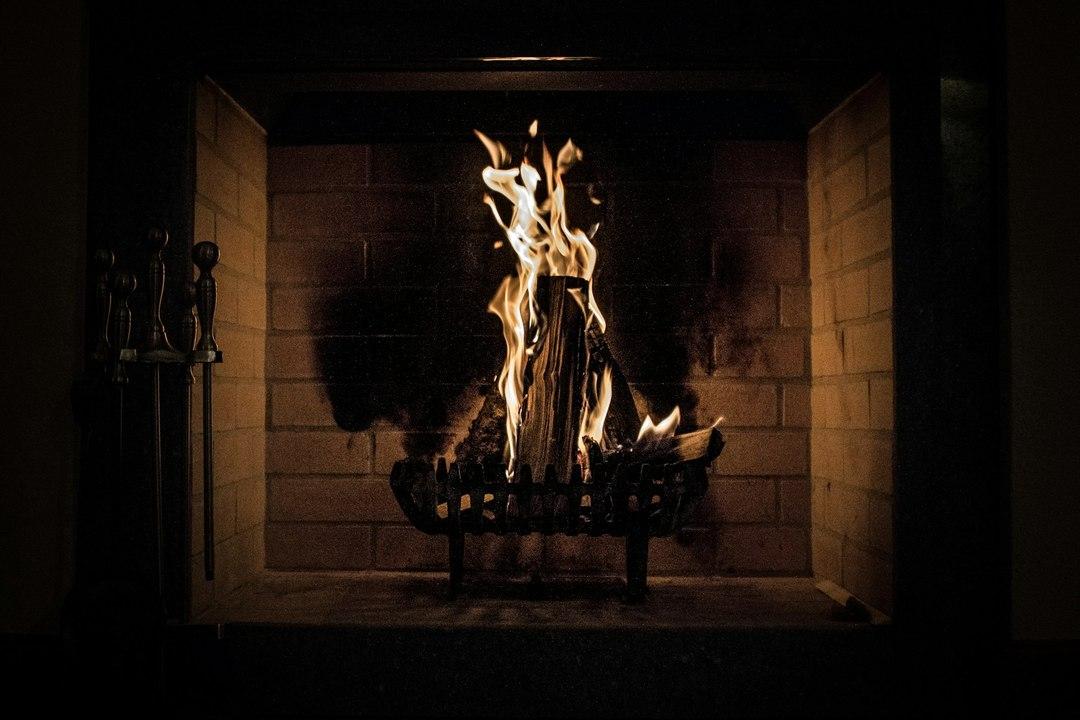
A fireplace cleaning works on the part you see from the room. It deals with ash, soot on the firebox walls, the grate, the glass doors, the hearth and the face of the brick or stone around the opening.
A chimney sweep works on the part you do not see. It brushes the flue, the tall passage that carries smoke up through the house, and clears the smoke chamber and shelf just above the damper.
Plenty of fireplaces need both, and we often do them in one visit. But if the flue was brushed recently, or you only plan to use gas, a room-side cleaning on its own can be the right booking. Our chimney sweep page covers the flue side; this post stays in the room.
What our room-side cleaning includes
- Ash and debris out. Old ash, charred wood, bits of paper and anything else in the firebox is removed, with a sealed vacuum so fine dust does not settle on your furniture.
- Firebox walls brushed. Loose soot comes off the back and sides. Once the brick is visible, cracks and gaps in the mortar can be seen and noted.
- Grate and andirons. Cleaned and checked. A grate that has sagged or burned through is noted, since it lets logs roll toward the opening.
- Glass doors. Both sides of the glass cleaned with a product suited to heat-tempered glass, frames wiped, hinges and handles tried.
- Face and hearth. Smoke staining above the opening treated with a cleaner matched to the material, whether that is painted brick, raw brick, stone or tile. The hearth is cleaned and checked for cracks.
- Damper worked. We open and shut it, and tell you plainly whether it seals.
- Gas logs, if present. Logs lifted out, burner and ember bed brushed, logs set back in the maker's layout.
When a new owner should book one
- Before the first fire. You will see what you are working with, and the flue end gets a quick look while we are there.
- Before painting or redecorating. Soot staining bleeds through fresh paint. Clean first.
- When there is a smoky smell in summer. That smell is usually old soot and creosote reacting to warm, damp air. Cleaning the firebox and smoke chamber cuts it back sharply. If it persists, the flue is the next place to look.
- When the glass doors are so hazy you cannot see the fire. A new owner often assumes the glass is ruined. Most of the time it is not.
What sets the price
There is no fixed figure for a room-side cleaning on our list, and we would rather tell you why than invent one. The price is set by:
- How much has built up. One season of ash is a short job. Ten years of untouched soot on porous brick is a long one.
- What the face is made of. Painted surfaces and smooth tile clean fast. Rough, unsealed brick and soft stone take time and the right cleaner.
- Glass doors or not. Doors add time, more so if they are a large or curved set.
- Gas logs. Lifting, cleaning and resetting a log set is extra work and must be done carefully.
- Whether the flue is swept in the same visit. The sweep is from $405 on its own, and combining the two saves a second trip.
The easiest route is to ask for a price through the quote form. Describe what the firebox looks like now, what the surround is made of, whether there are doors or a gas log set, and whether you also want the flue brushed. We reply with the price and a time to come out.
How the visit runs in your house
We arrive, lay floor covers from the door to the fireplace, and seal the opening so dust stays inside the firebox while we work in it. A sealed vacuum runs the whole time. Most of the mess stays inside the fireplace and the bags. At the end, the covers are rolled inward and taken out, and the area is vacuumed again.
You get a short written note with photos of the firebox before and after, plus anything we noticed that you should know: a cracked firebox panel, mortar gaps, a damper that will not close, or signs that the flue needs a closer look. If repairs are needed, you get a written price. Nothing is fixed on the spot without your yes.
A note on the chimney behind it
A fireplace that looks spotless can still sit under a dirty or damaged flue, because the two are cleaned separately. If you have no record of a sweep, or the house was empty for a while, add a look at the flue. A Level 1 at $160 covers what can be seen. A Level 2 at $380 puts a camera up the full height. Our post on choosing between a fireplace and a chimney inspection helps you pick, and the fireplace cleaning page lists what the visit covers.
Getting the first fire right
If you want the fireplace in your new Cypress home clean and ready before the cold nights arrive, write to us through the contact page and tell us what you found when you opened the doors.
Reading Is One Thing; Seeing Yours Is Another
A first visit from Thistle Chimney Company puts names to the parts of your own fireplace and shows you their condition in photos. We book across Cypress, Westminster, Norwalk, Long Beach and the cities nearby.